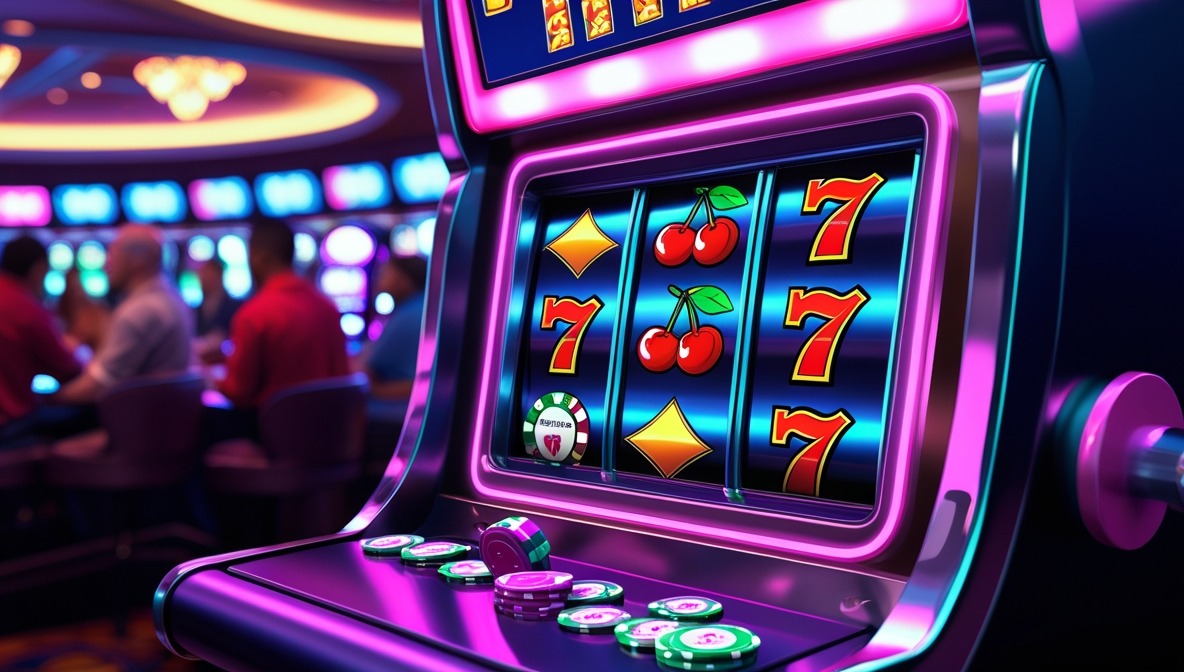
The glitz, the hum of conversation, the rhythmic clinking of chips, and the high-stakes tension—entering a premier land-based casino is a sensory experience unlike any other. For many, the transition from the solitary world of online slots to the bustling floor of a physical establishment can be intimidating. While the rules of the games themselves are often straightforward, there is an entire ecosystem of social expectations and “unwritten rules” that govern the floor.
Casino etiquette isn’t just about being “polite.” It is a functional framework designed to ensure game security, maintain the speed of play, and respect the shared space of fellow gamblers. Whether you are walking into a high-end venue in Monte Carlo or a local floor in Las Vegas, understanding these nuances will not only save you from embarrassment but will also earn you the respect of the dealers and regulars alike.
Your experience begins the moment you step onto the gaming floor. Unlike a casual arcade, a casino operates on a blend of hospitality and strict security.
While the “James Bond” tuxedo era is largely reserved for ultra-exclusive VIP rooms, most casinos still maintain a dress code. This varies wildly by location and time of day. During the day, “resort casual” (think collared shirts and neat jeans) is usually fine. However, as the sun sets, the expectations rise. Showing up in flip-flops and gym shorts to a high-limit area is a quick way to be asked to leave. Pro tip: Always check the venue’s website beforehand. When in doubt, “smart casual” is your safest bet.
In an age where we are glued to our screens, this is the rule most frequently broken by newcomers. For security reasons and to maintain the integrity of the game, almost all casinos prohibit the use of mobile phones at the table. Taking selfies, texting while in a hand, or—heaven forbid—recording video of the dealer is a major “no-go.” If you must take a call, step away from the table and move to the concourse.
The most critical difference between online and offline play is the physical handling of currency and chips. This is where most security protocols live.
In a land-based casino, a dealer is never allowed to take money directly from a player’s hand. This is to ensure that the “eye in the sky” (overhead security cameras) can clearly see the transaction.
The Procedure: Lay your cash flat on the felt. The dealer will then spread it out, count it for the cameras, and exchange it for the equivalent value in chips.
Timing: Only buy in between rounds. Never try to throw money onto the table while a hand or a spin is in progress.
Once your chips are on the table and the dealer starts the round, do not touch your bet. In games like Roulette, once the dealer says “No more bets,” your chips are “locked” until the result is determined. In Blackjack, once the cards are dealt, touching your chips can be interpreted as an attempt to “cheat the bet” (capping or pinching).
Each game has its own micro-culture. To fit in, you need to understand the physical choreography of the table.
In the noisy environment of a casino, verbal commands can be misunderstood. Consequently, casinos use hand signals for everything.
Hit: Tap the table with your finger.
Stand: Wave your hand horizontally over your cards (palm down).
Double/Split: Place the additional chips next to your original bet (never on top) and point with one or two fingers.
The “Pitch” Exception: In some games, cards are dealt face-down. In this rare case, you use the cards to signal. To hit, you lightly “scratch” the felt with the corners of the cards. To stand, you slide your cards under your chips.
The “Dolly” (the small glass or plastic marker used to indicate the winning number) is sacred. Do not touch your winning chips or place new bets until the dealer has physically removed the Dolly from the table. The dealer will always pay out the “outside” bets first and then the “inside” winners. Be patient; the process is a well-oiled machine.
Poker is perhaps the most etiquette-heavy game in the building.
Acting Out of Turn: This is the cardinal sin of poker. Always wait for the player to your right to act before you move. Acting out of turn gives players behind you information they shouldn’t have.
The String Bet: You must place your bet in one fluid motion or verbally announce the amount before moving your chips. You cannot put out a few chips and then go back to your stack for more—that’s a “string bet,” and it won’t be allowed.
Slow Rolling: If you know you have the winning hand at the showdown, turn it over immediately. Intentionally waiting to reveal a “monster” hand just to irritate your opponent is considered extremely poor sportsmanship.
In many regions, particularly in North America, dealers rely on tips for a significant portion of their income. While not mandatory, it is a standard expectation for a player who is winning or enjoying the service.
There are two ways to “toke” a dealer:
Direct Hand-off: Simply hand the dealer a chip (between rounds) and say, “This is for you.” Again, place it on the felt; don’t hand it to them directly.
The “Live” Bet: This is the more stylish way to tip. Place a chip just outside your betting circle and tell the dealer, “This is for you.” If you win the hand, the dealer wins the tip plus the winnings from that chip. It makes the dealer a “partner” in your success and often lightens the mood at the table.
Don’t forget the cocktail waitresses. In most land-based casinos, drinks are complimentary while you play. However, a $1 or $5 tip per drink is the standard. If you’re getting free drinks and not tipping, don’t be surprised if the server takes a very long time to return for your next order.
A casino table is a communal space. Your behavior affects everyone else’s “vibe.”
There is nothing a blackjack player hates more than a stranger telling them how to play their hand. Even if someone makes a “mathematically incorrect” move (like hitting on a 15 when the dealer shows a 6), keep your comments to yourself. People are there to have fun, not to be lectured on probability.
Gambling involves losing—that is a mathematical certainty. How you handle those losses defines your character as a player. Cursing at the dealer, slamming the table, or blaming other players for a “bad run” of cards is the fastest way to get removed by security. A “poker face” isn’t just for bluffing; it’s for maintaining dignity during a cold streak.
The gaming floor can get crowded. Be mindful of personal space. If you are a smoker, be aware of where your smoke is drifting; many modern casinos have designated sections or high-tech ventilation, but common courtesy still applies.
You might think that playing solo at a machine exempts you from etiquette, but there are still rules for the “one-armed bandits.”
If you need to use the restroom or grab a quick drink, you can “reserve” your machine for a few minutes. The standard way to do this is to leave a coat over the chair or a personal (non-valuable) item. However, don’t expect a machine to be held for more than 10-15 minutes.
Note: If a machine has a “Player Card” inserted but no one is there, it’s generally considered polite to wait a moment or ask a floor attendant before taking the seat.
While the machines are designed to be loud and flashy, try to avoid adding to the cacophony. If you’re playing a game with heavy cinematic elements, keeping the volume at a mid-level is appreciated by the person sitting six inches away from you.
When you are ready to leave the table, don’t just walk away with a mountain of small-denomination chips. This is where “coloring up” comes in.
Wait for a break in the action and tell the dealer you’d like to “color up.” Push your chips toward the dealer. They will count them and exchange them for the highest possible denominations. This makes it easier for you to carry your winnings to the cage and helps the casino keep enough “small” chips at the table for other players.
Casinos and cocktails go hand-in-hand, but there is a fine line between “festive” and “disruptive.”
Security and floor managers are trained to spot signs of intoxication. If you are stumbling, slurring, or becoming aggressive, you will be cut off from both the bar and the gaming tables. Not only is it for your own protection (to prevent you from making poor financial decisions), but it also preserves the environment for others. If you’ve had a few too many, it’s time to head to the hotel room or call a ride home.
Everything in a casino is recorded. This isn’t just to catch cheats; it’s to settle disputes. If there is a disagreement about a payout or a hand, stay calm. The “Floor Manager” or “Pit Boss” will be called over. They may “call for a tape review.”
Accept the decision of the floor. In the world of land-based gambling, the Pit Boss has the final word. Arguing beyond that point is a losing battle and will likely result in a permanent ban.
At the end of the day, casino etiquette boils down to one simple concept: Awareness. Be aware of the dealer’s rhythm, be aware of the security cameras’ needs, and be aware of the comfort of those around you. The casino floor is a theater, and every player is a performer. When you know your cues—when to signal, when to tip, and when to keep your mouth shut—you stop being a “tourist” and start being a “player.”
Preview Article
How Las Vegas and Macau Redefined Global Entertainment
Written by
Daniel King
Deep research and a pinch of creativity - these are my secret ingredients in online casino reviews I serve to my readers!
Find Topic-Related Posts On Our Blog